Measure before modifying
Heart-rate response, movement quality, sleep and training history create a more useful picture than a single impressive session.
Explore physiology →A considered field guide to sports physiology, cardiovascular stamina and functional training for the decades when intelligent practice matters more than noise.
Read the methodsMeet Nebula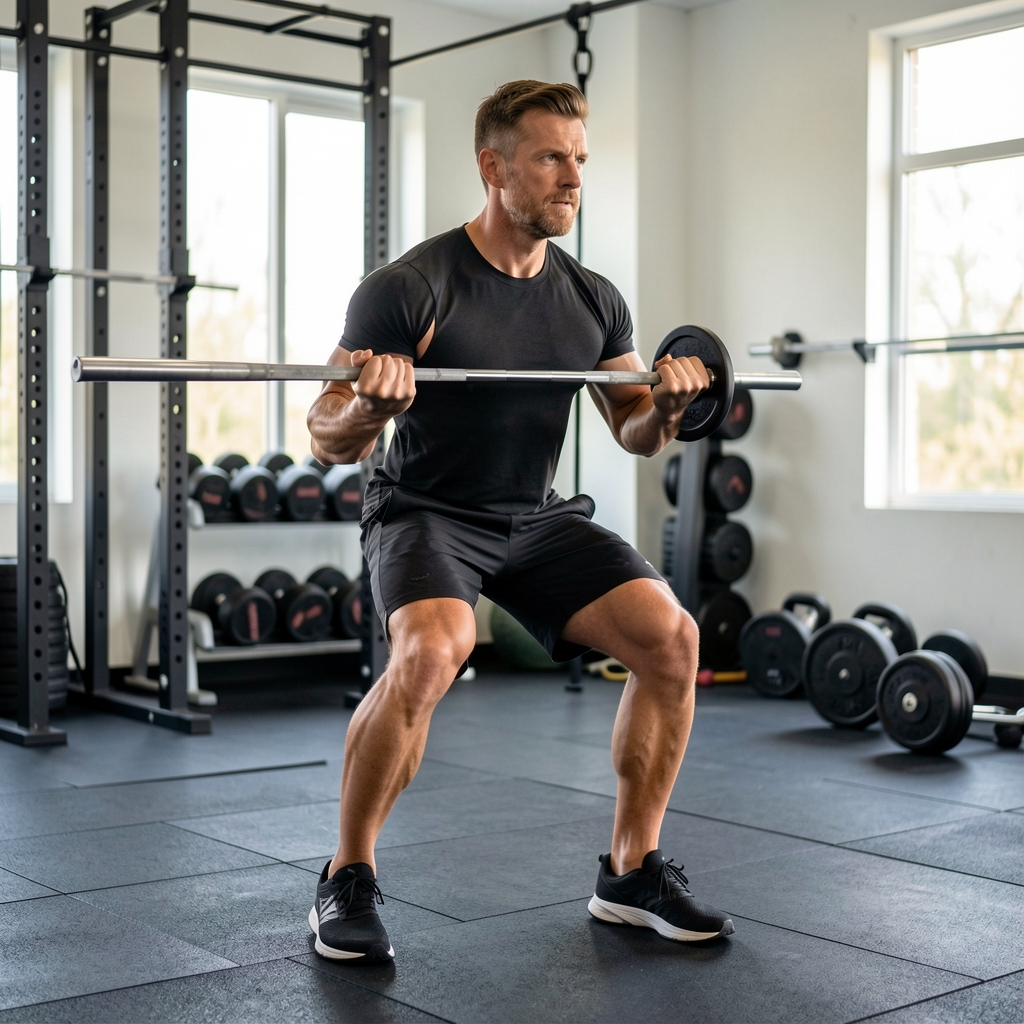
Heart-rate response, movement quality, sleep and training history create a more useful picture than a single impressive session.
Explore physiology →Our editorial approach favors repeatable progressions, clear effort boundaries and enough recovery to keep practice sustainable.
Read training notes →Work, family, climate and previous injuries all shape the way a responsible program should be interpreted.
Study recovery →
Elite athletic development is not about endless intensity. It is the patient arrangement of strength, aerobic work, mobility, skill and rest so each quality supports the next.
In this section, Nebula editors translate technical language into practical questions for readers who want a clearer relationship with their own training.
Open the journalEach area of the library answers a distinct question. The table below summarises the focus of each and where to read further.
| Area | Central question | Typical content | Read |
|---|---|---|---|
| Physiology | How does the body adapt with age? | Heart-rate zones, aerobic base, muscle maintenance | Physiology |
| Training | How is effort organised across a week? | Functional patterns, progression, session structure | Training |
| Recovery | What helps a body absorb the work? | Sleep, load management, rest-day habits | Recovery |
| Nutrition | How do meals support training days? | Hydration in tropical climates, Indonesian staples, meal timing | Nutrition |
| Mobility | Which range of motion is controllable? | Joint preparation, warm-ups, movement screens | Mobility |
Record the ordinary: breathing, pace, joint comfort and how the body feels the next morning.
Separate useful signals from temporary fatigue, unusual stress or a noisy measurement.
Choose a session with a clear purpose and a controllable dose of challenge.
Use the following days to learn whether the choice supported the wider week.

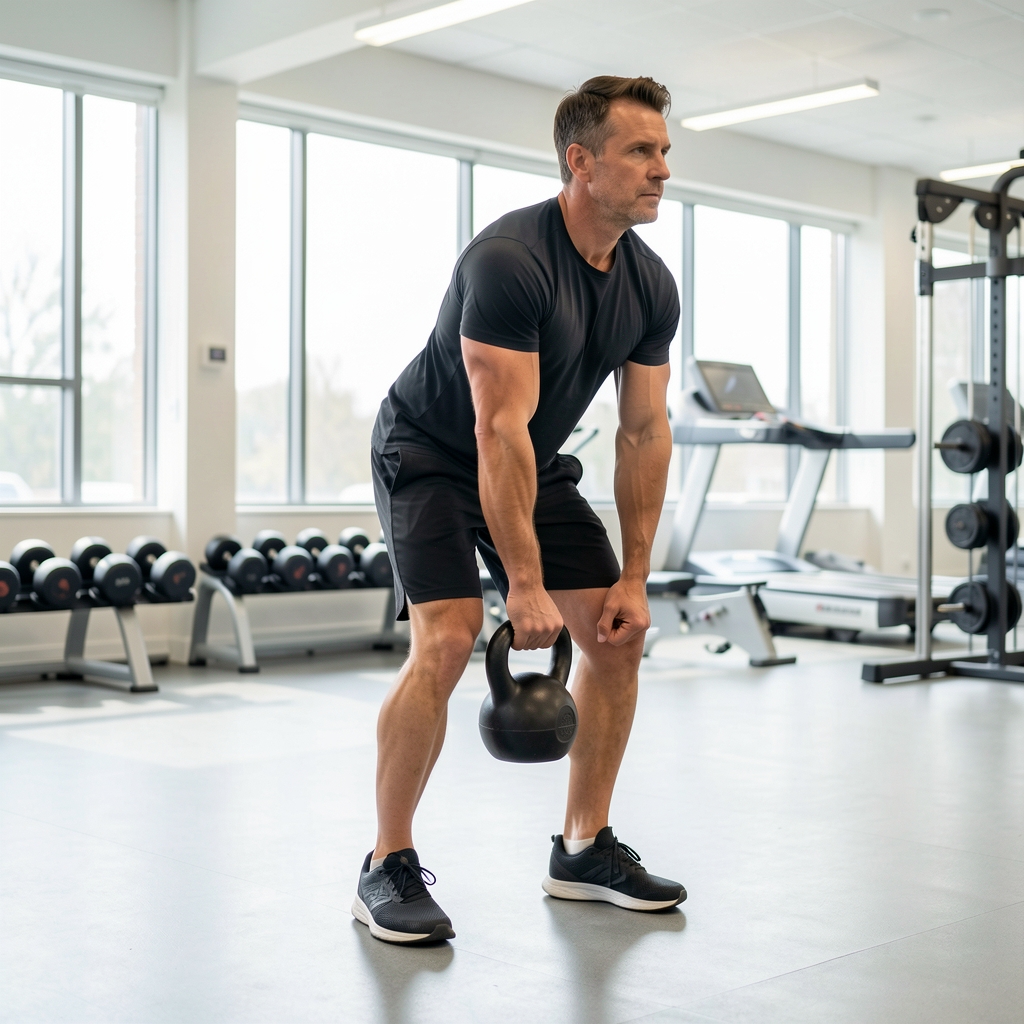
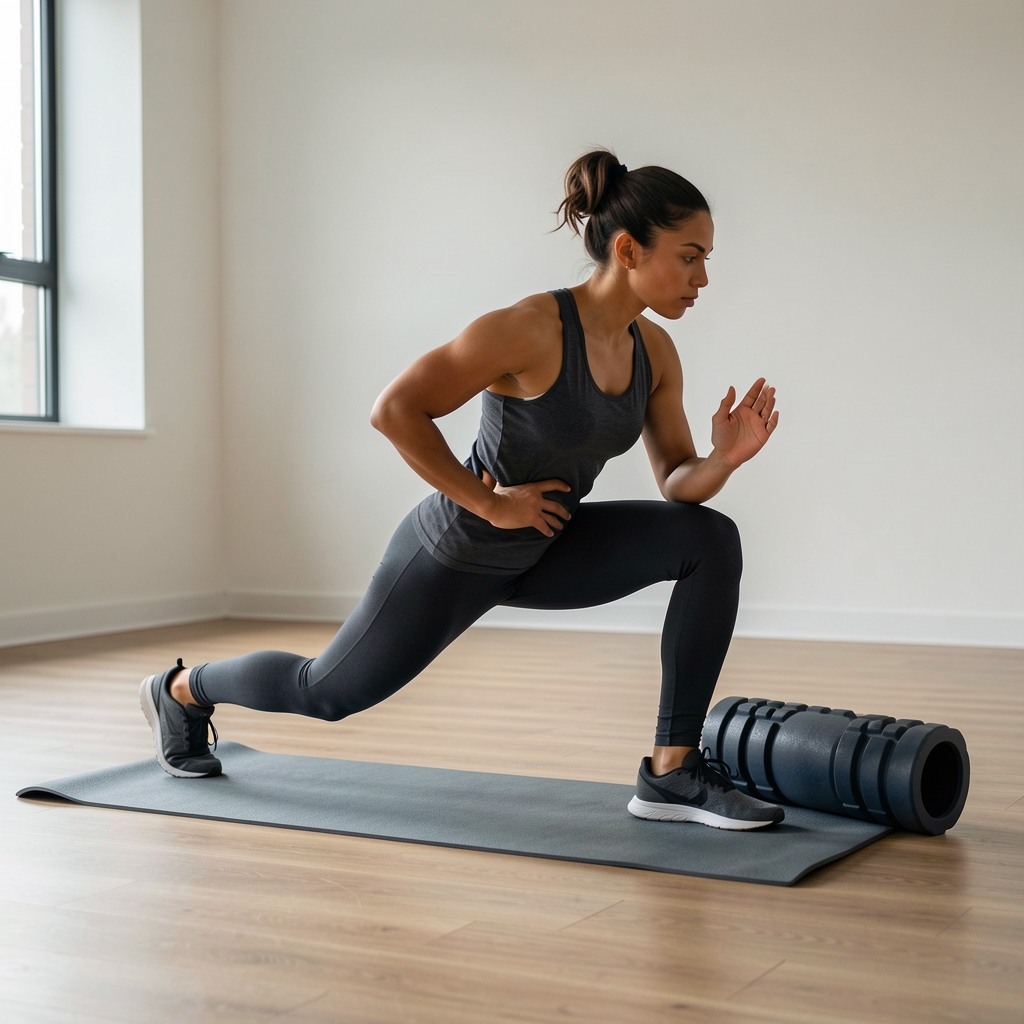
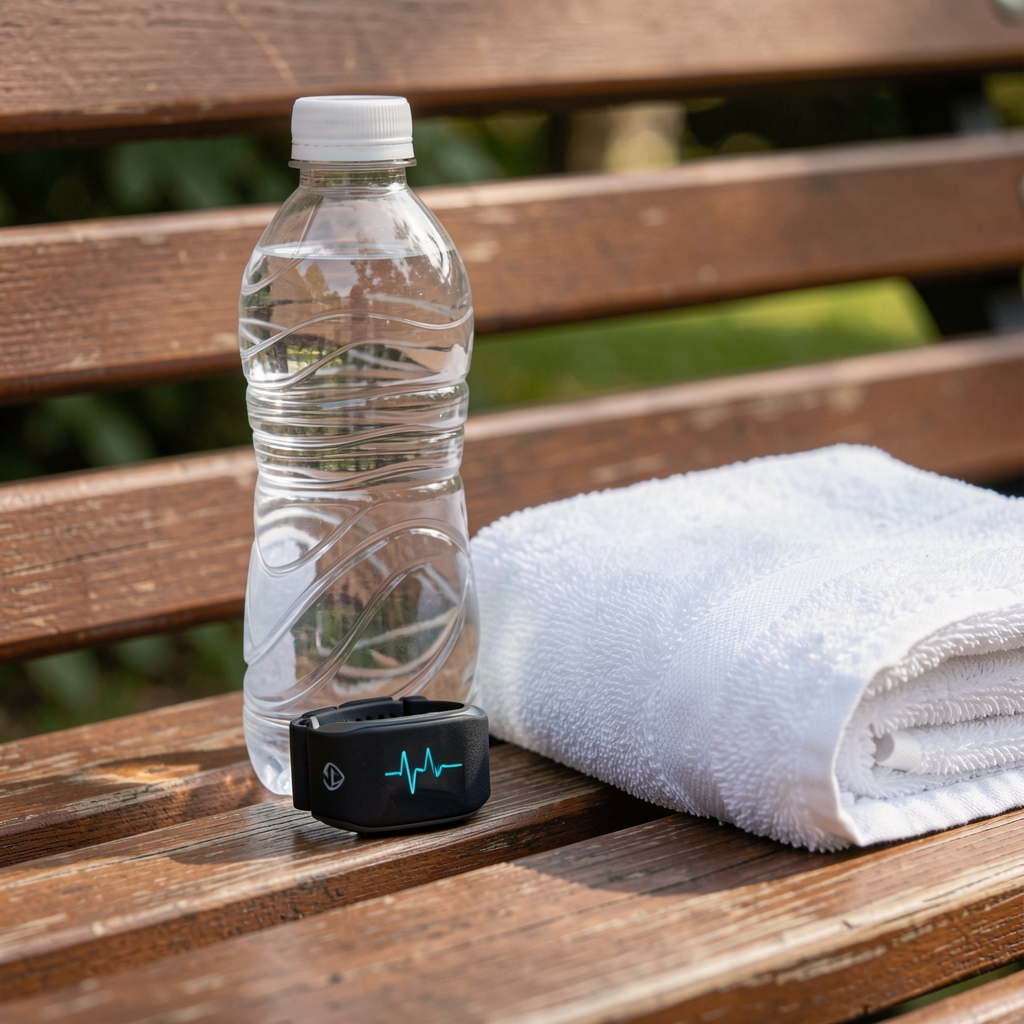
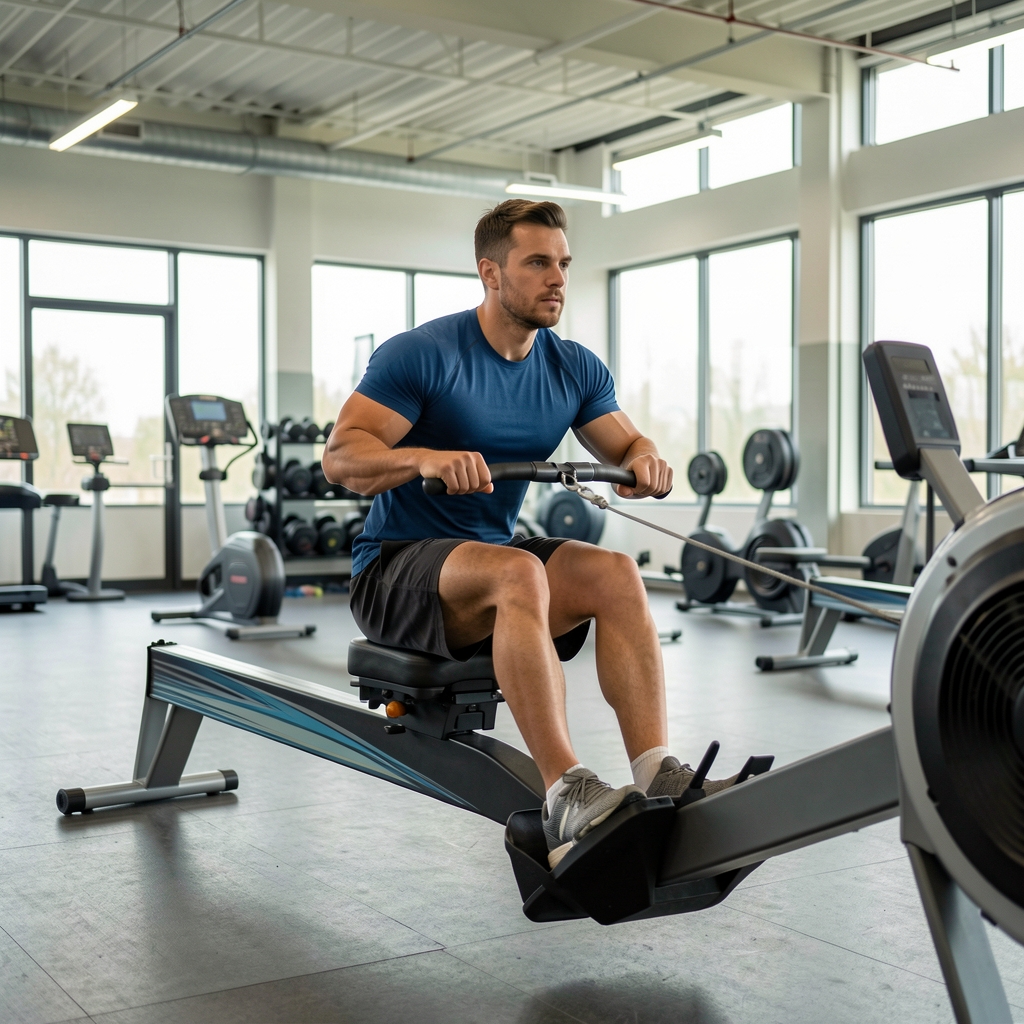


12 January 2026
How steady work can support harder efforts without turning every day into a test.
Read article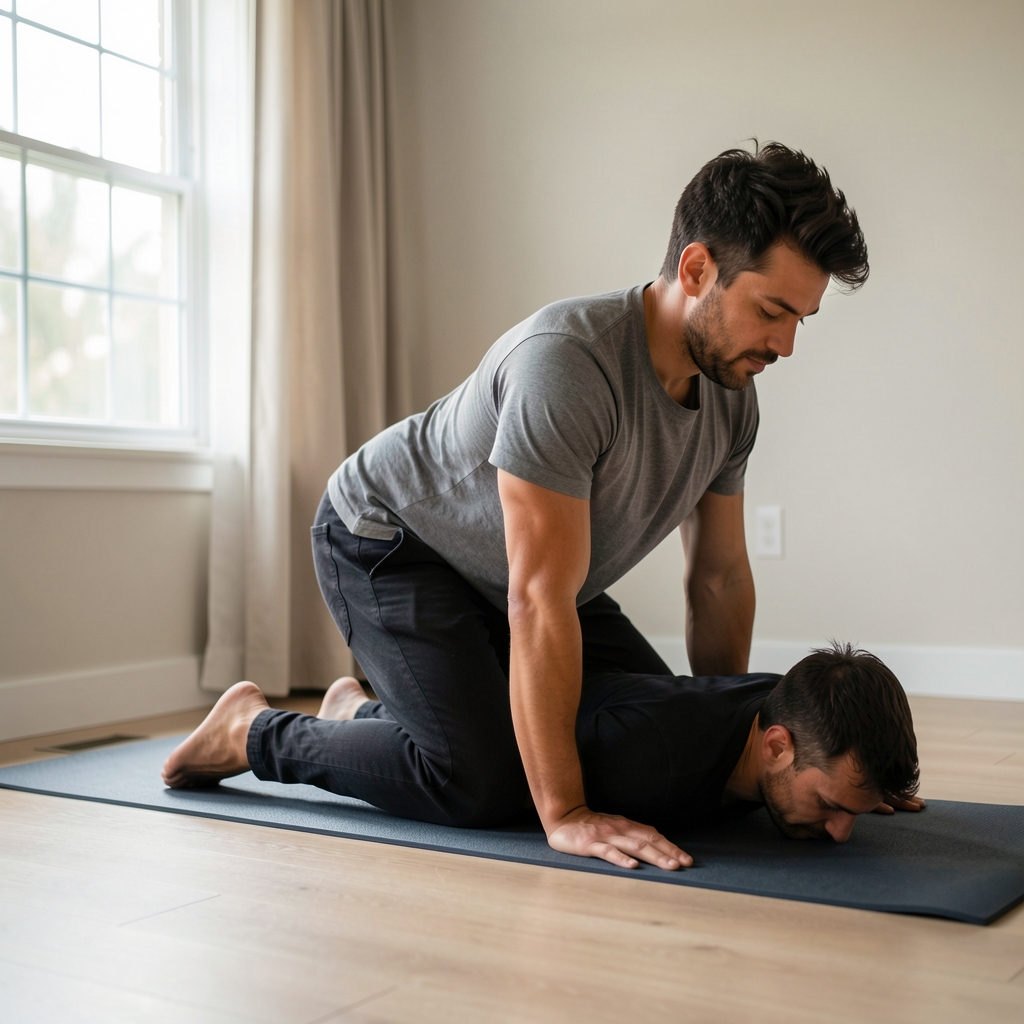
04 February 2026
A practical distinction between available movement and movement you can control.
Read article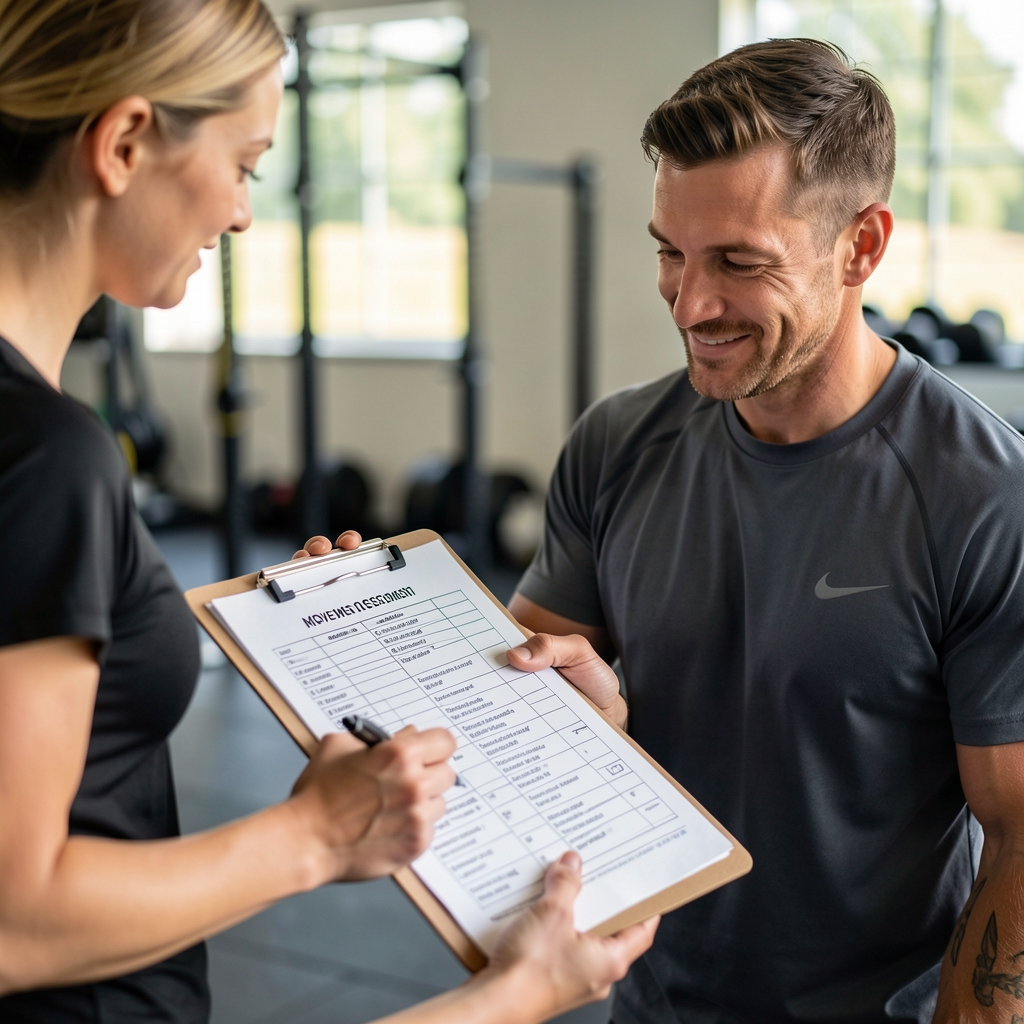
19 February 2026
A preparation list for a more productive conversation with a qualified professional.
Read article“Effort should have a stated purpose before the session begins.”
— Nebula editorial standards
“Sleep and warm-ups belong inside the plan, not outside it.”
— Nebula recovery notes
“Data is a prompt for a question, never a final answer.”
— Nebula research desk
No. Nebula publishes educational content only. Readers with health concerns should speak with a qualified medical professional before changing their activity.
Recovery needs, schedules and training history tend to change in this period, so the editorial lens is built around those conditions.
The methods page outlines the editorial approach, and the physiology page introduces the core concepts used across the library.
Use the contact page or call +62 856 9317 4825 during office hours.
Nebula is written for readers who prefer evidence, context and a little patience. Follow a topic, save a question and return when your own training supplies new information.
Editorial office: Jalan Cendrawasih No. 45, Duren Sawit, Jakarta Timur 13440, Indonesia.