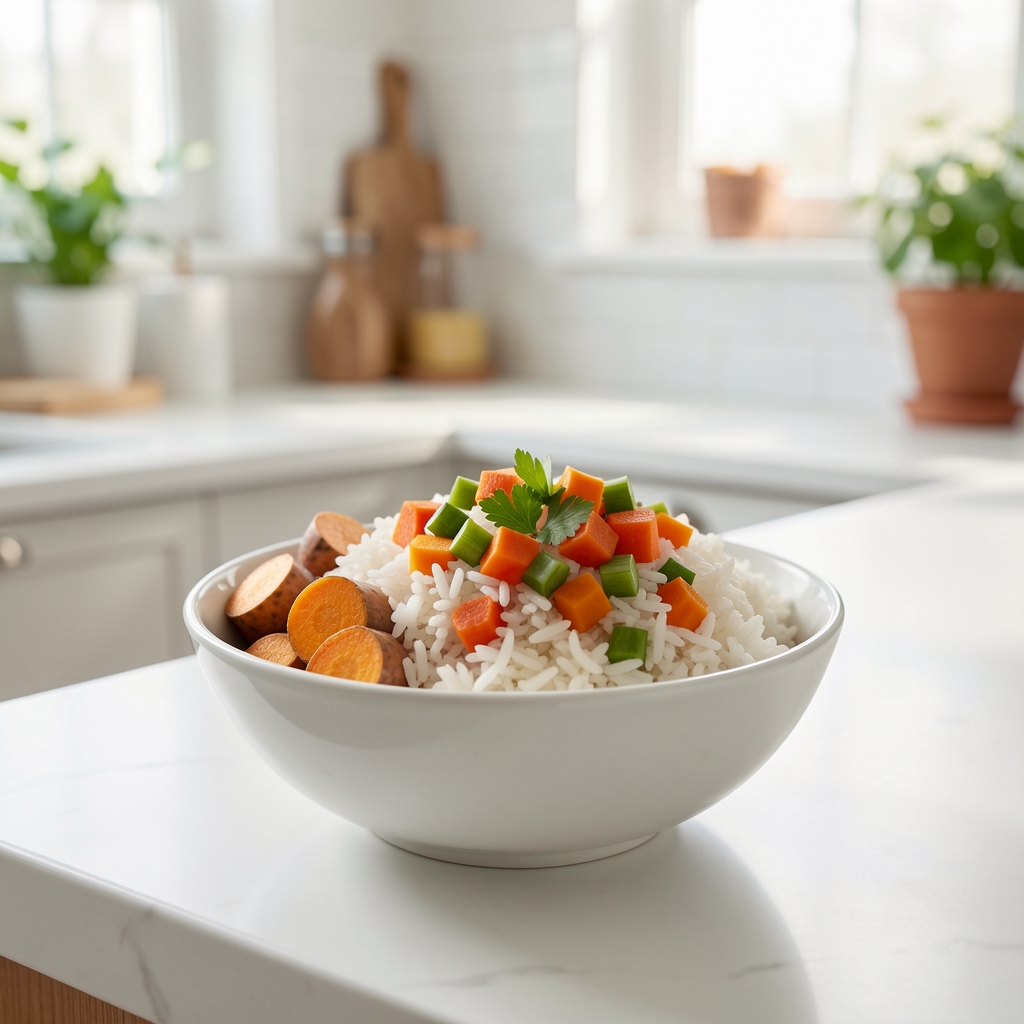
Energy for sessions
Carbohydrate-rich foods such as rice, tubers, oats and fruit supply the fuel for longer or harder sessions. Needs rise with volume, so a quiet week and a busy week rarely look the same on the plate.
This section describes, in general terms, how everyday food choices relate to training. It draws on public health guidance and published reviews and avoids rigid rules. Indonesian kitchens offer a wide range of staples, vegetables and protein sources, and the aim is to show how familiar foods can fit a training week.
The content is educational and does not constitute individual dietary advice. Readers with medical conditions, allergies or specific nutritional needs should consult a registered dietitian or physician. Nebula does not promote supplements or specific products.
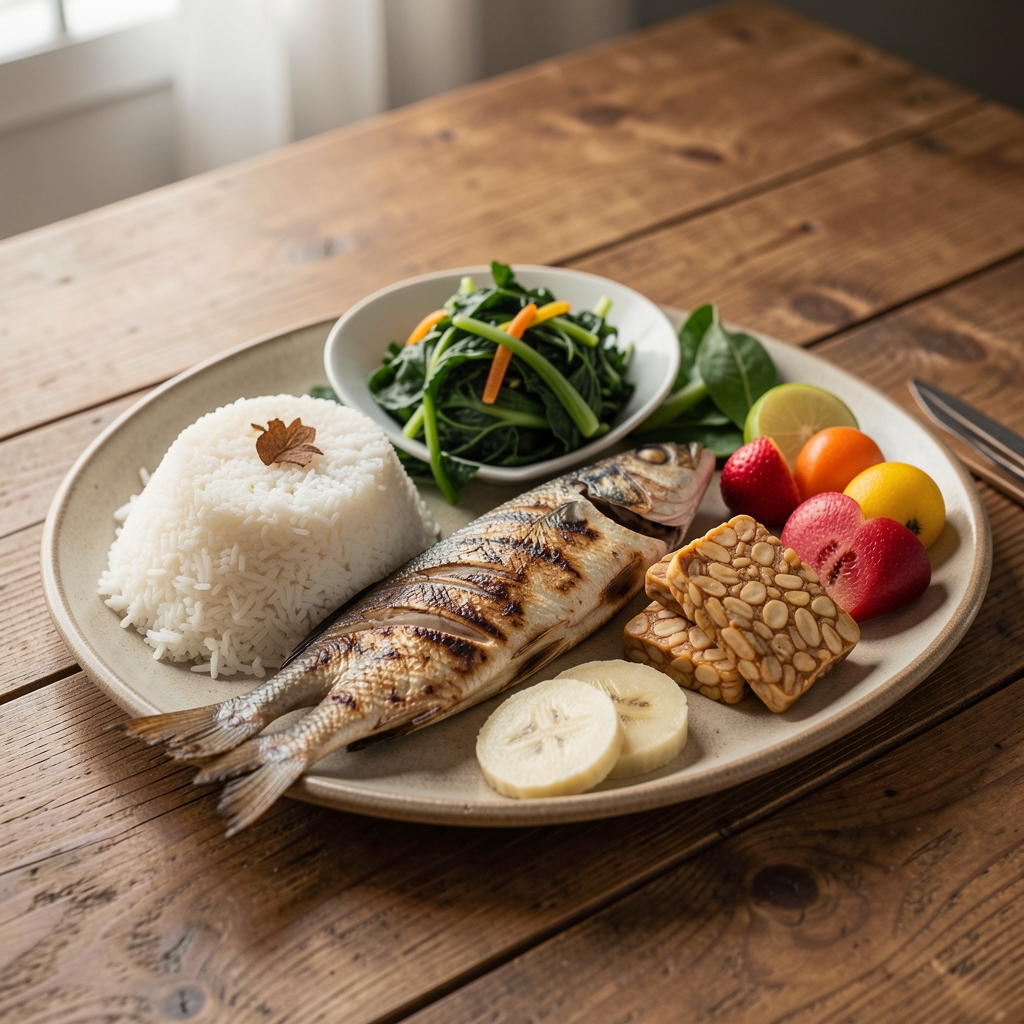
Carbohydrate-rich foods such as rice, tubers, oats and fruit supply the fuel for longer or harder sessions. Needs rise with volume, so a quiet week and a busy week rarely look the same on the plate.
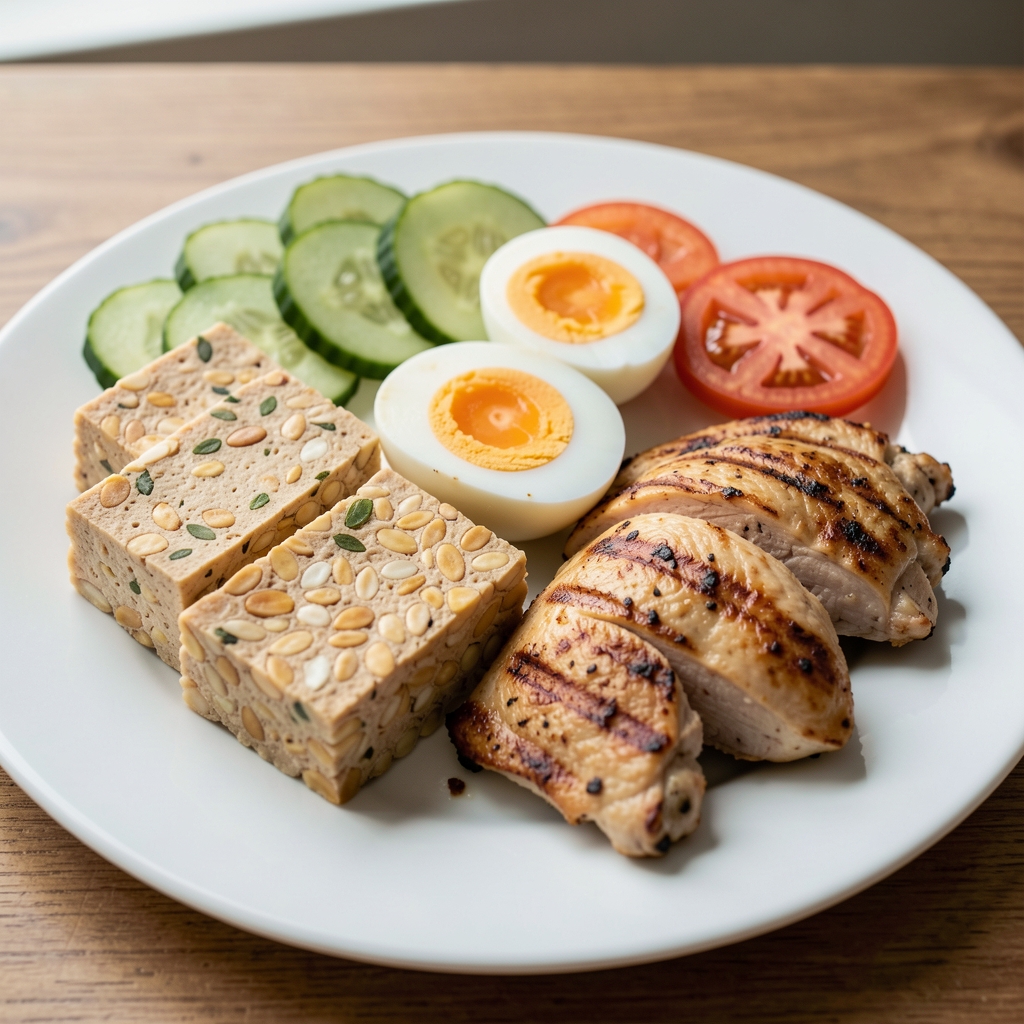
Reviews suggest that spreading protein-containing foods through the day suits adults who train with resistance. Eggs, fish, tofu, tempeh, legumes and poultry are familiar examples.

Jakarta's heat and humidity increase fluid loss during outdoor work. Drinking regularly, noting urine colour and adjusting for conditions are the usual starting points.
The table is a general reference. Portion sizes and combinations depend on the individual, and no food is presented as essential.
| Food group | Everyday examples | Typical role in a training week |
|---|---|---|
| Starchy staples | Rice, cassava, sweet potato, oats | Main source of energy for sessions |
| Protein foods | Fish, eggs, tempeh, tofu, legumes | Supports muscle maintenance with resistance work |
| Vegetables and fruit | Spinach, kangkung, papaya, banana | Fibre, vitamins, minerals and variety |
| Fats | Nuts, seeds, avocado, cooking oils in moderation | Energy density and fat-soluble vitamins |
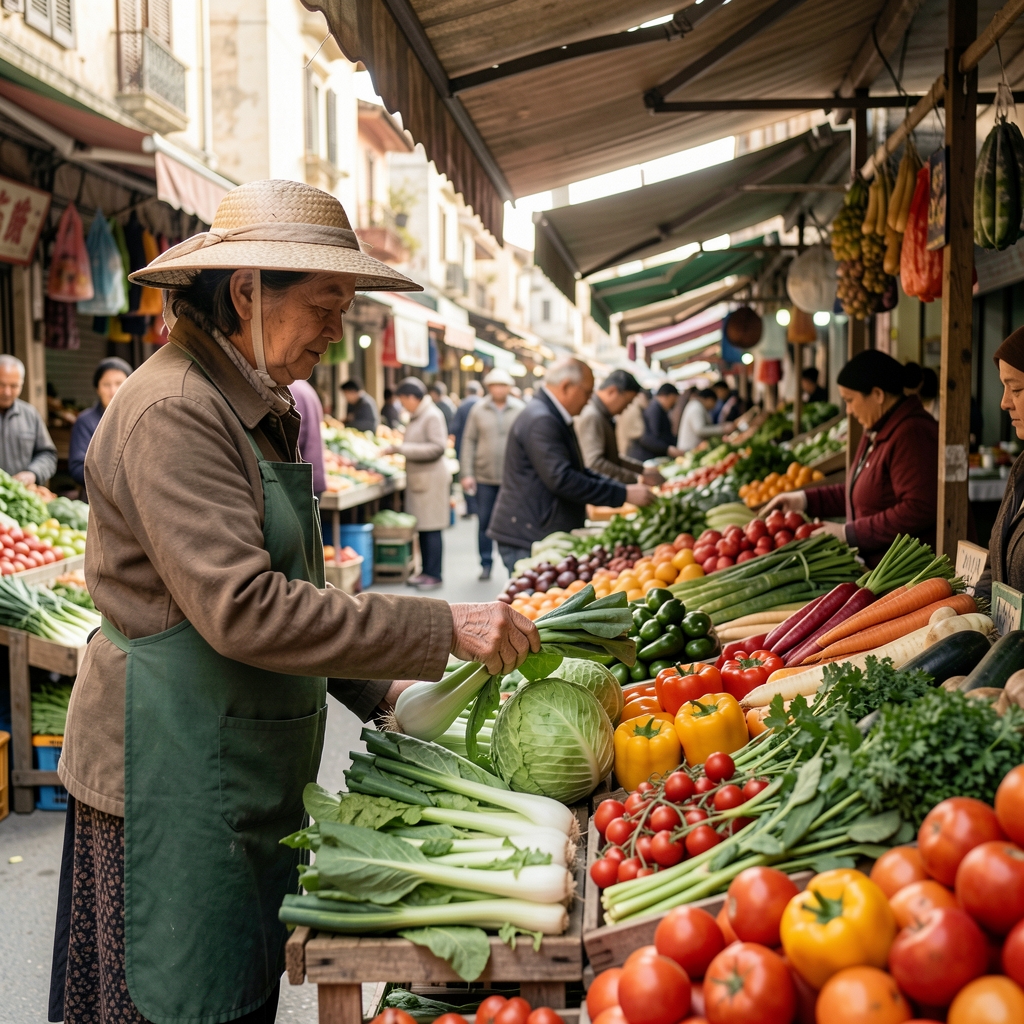
A sustainable pattern is usually built from ordinary meals prepared with regular ingredients. Many readers find a simple plate model helpful: a portion of starchy food, a portion of protein food and a generous share of vegetables, adjusted for appetite and activity.
Pair these notes with the guidance in recovery and training.
Nutrition needs vary with age, body size, medical history, medication and cultural practice. Nothing on this page replaces advice from a registered dietitian or physician. Nebula does not suggest that any food or product will produce a particular body or health result.
Public health guidance for most adults emphasises varied, mostly minimally processed foods. Specialised patterns are a matter for individual advice.
For short, easy sessions it rarely does. For long or demanding efforts, some people prefer to eat a light meal beforehand and to eat again afterwards, according to comfort.
Nebula does not review or promote supplements. Anyone considering one should discuss it with a qualified professional who knows their history.
Food advice is most useful when it fits the kitchen, the budget and the culture of the person reading it.
Write to the editorial desk at Jalan Cendrawasih No. 45, Duren Sawit, Jakarta Timur 13440, Indonesia, or telephone +62 856 9317 4825 during business hours.
Contact the desk Open the glossary